Kombucha

kombucha1.jpg

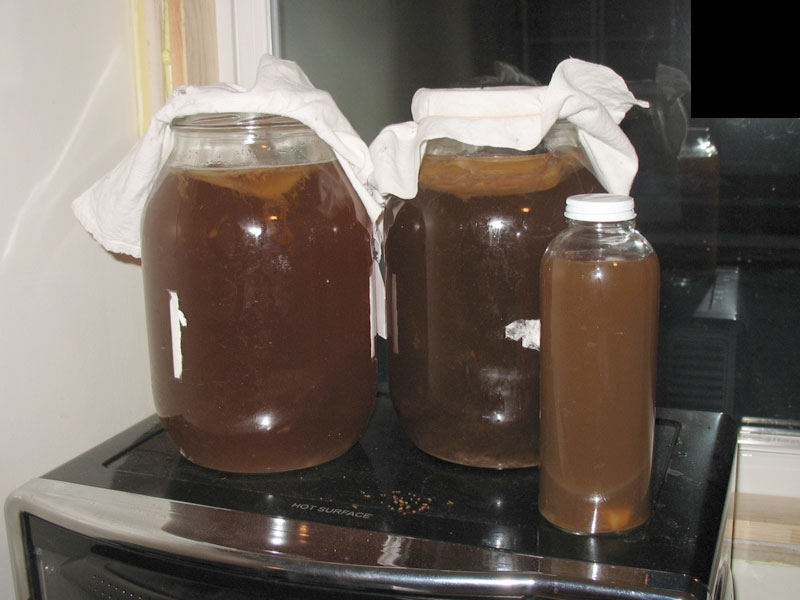
Inspired by GT’s Organic Raw Kombucha, a fermented sweetened tea drink, I started researching how to make Kombuch a few weeks ago. I got a culture, made some sweet tea, and set it to rest for a couple of weeks. Then there were two cultures (as the “mother” creates a “baby” during the fermenting process). Then, two weeks later, there were four.

kombucha2.jpg

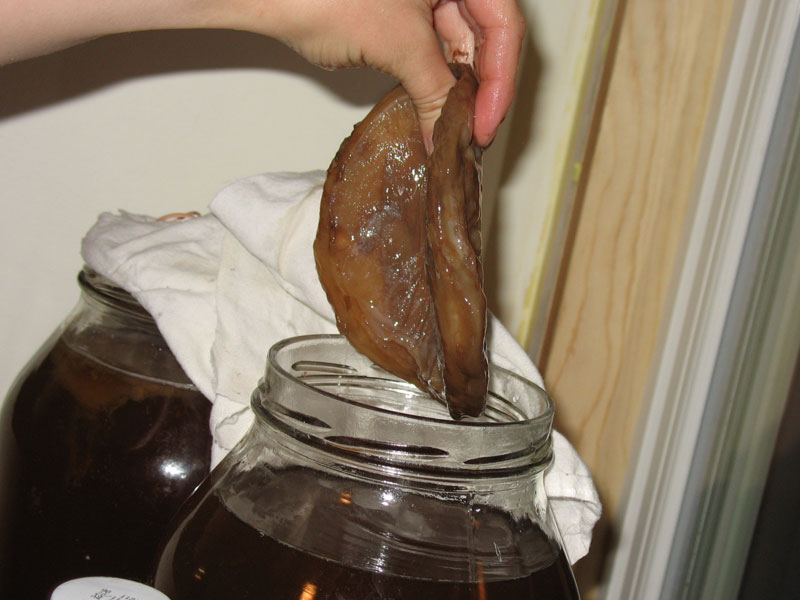
There’s one of the newest additions to the family – and just a week old! I’ll be giving the cultures away to interested locals, and soon the whole town of Morris will be kombucha-brewing fanatics. It’s a delightful carbonated drink, in my opinion, though many may think it’s too reminiscent of vinegar. It gets better after bottling with time (and we’ve collected enough GT’s Kombucha bottles). Now I’m in search of more gallon-sized jars. They come with pickles for $5 at the grocery store but… how could we possibly use that many pickles?

Beer, Tofu, and Kombucha.

tofu.jpg

Another step towards my goal of becoming self-sufficient. I got Chris a Beer-Brewing kit for Christmas – we’re waiting on our first batch (already bottled) to try. Just one more week or two… in the mean time, we got some Old Milwaukee returnables from the local liquor store. According to my calculations of how much beer one batch makes, how many beers we’ll drink between batches, and how many beers from each batch we want to save… we’ll probably need to buy another 3 or 4 cases of returnable bottles (oh, and some caps?) just to make sure that we have enough to bottle the current batch. I’m really, really hoping that one of us will find ourselves in a larger city soon – Old Milwaukee isn’t exactly the kind of beer that you get excited about drinking – even if the deposit (cost) is only $1.20 for 24 bottles.

Also, we’ve both become slightly addicted to kombucha recently. You can pick up a bottle at most health food stores now; even Cub Foods has them in their Organic Refrigerated section. Basically, it’s a fermented tea – raw food, loaded with probiotics and other benefitial bacteria and cultures. It’s kind of similar to making sour dough bread: you start with a culture; add black or green tea, sugar, and a few cups of the original beverage; let sit for a while and pour into bottles; separate the “mother” culture from the “baby” culture; make a new batch (or two!) using the culture, part of the kombucha, and new black/green tea.

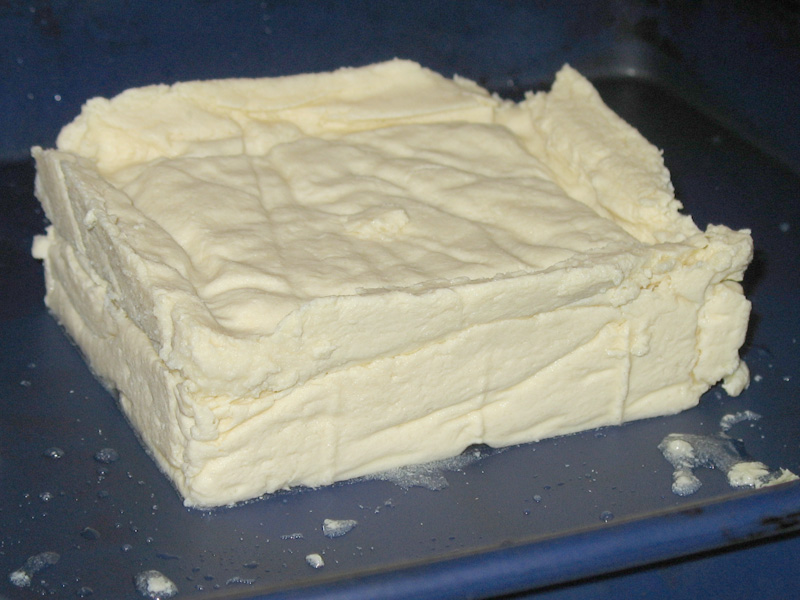
Also, still – I received a Soy Milk Maker for Christmas! It came with instructions for making tofu! We made oat milk last week, but it was too watery and kind of slimy. The soy milk we just made seemed to come out wonderfuly, but we decided to turn it into tofu instead. Apparently, tofu can be made out of just about any bean: black-eyed peas, black beans, chick peas, mung beans…

I guess the next step is to start roasting our own coffee. Oh yeah – and to buy the land suitable for living on and farming all of the vegetables, grains, and beans that we need to create all these things “from scratch.” Plus, there’s a lot of learning to do – Chris has a “beer recipe” book, but we have no idea how to go from grains to malt to malt extract – yet. But, the beer-brewer can make wine, and if the climate stays on this track, we may just be able to grow coffee beans in our back yard in a couple of years…

Obligate Carnivore

I received Obligate Carnivore in the mail finally, and have had a chance to read about half of it. Mostly, it’s a lot of stuff I knew before: commercial cat and dog food is gross and contains roadkill, animals “not fit for human consumption”, and euthanized cats and dogs; the essential nutrients in commercial cat and dog food are synthetic and added because they are not found in the parts of the animals that are used to make up the food; vegetarians aren’t doing anything to help their cause by continuing to support factory farming by feeding their animals other animals. Jed Gillen does raise an interesting point: if it’s okay for ten chickens to die under horrible conditions so that your cat could eat happily for a year, would it be okay for ten cats to die under horrible conditions so that your chicken could eat happily for a year?

We just ordered a bag of Pet Promise cat food from the co-op (this seems to be the best non-vegan cat food on the market, from an ethical/socially responsible standpoint), and I want Chris to read the book as well. Oh yeah, and I need to finish reading it! If you’re curious, here’s a quick link with a bit of information.

Fried Green Tomatoes

green-tomatoes.jpg

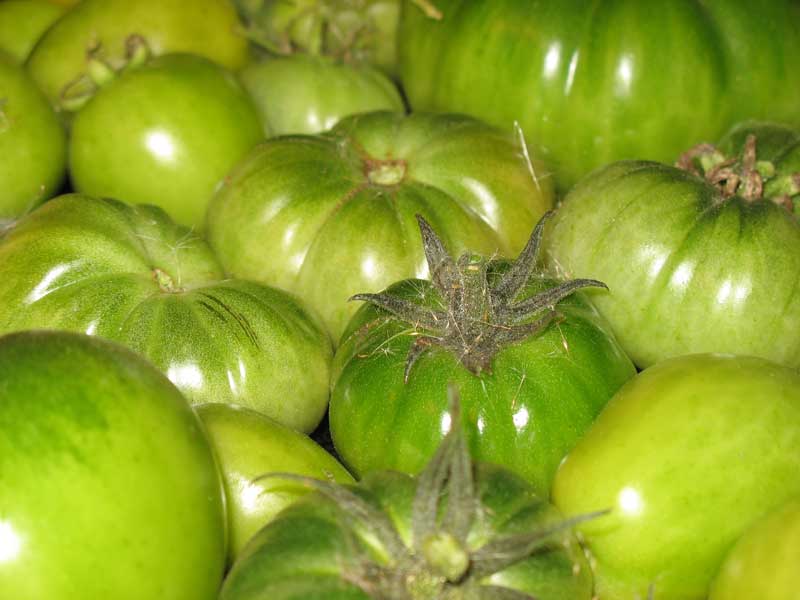
Actually, they are quite delicious. Especially when breaded, spiced, and eaten with a curry.

I pulled some of the most beautiful green tomatoes I’ve ever seen out of the garden this afternoon. It’s kind of sad to see things come to an end (you can read all about this on our vegetable gardening website), and now I get to experiment with green tomatoes. I need to reserve some for a pie (in the event that my dad visits soon – it’s his favorite!), and I used some a couple of weeks ago to make a green tomato and apple chutney – that’s pretty darn good! I imagine the chutney will only get better as it sits; I canned at least six pints of it. Last year I made a green tomato salsa, but I don’t have the rest of the salsa ingredients right now (well, except for extremely HOT chile peppers). I’m thinking some pickles.

Brussels Sprouts and Lima Beans

Tonight for dinner: the two vegetables that hold some taboo with many Americans. For either my third or fourth birthday party, my mom asked what vegetable I wanted served with dinner. I guess I enthusiastically replied, “lima beans!” and got my request. As the story goes, my cousin sat down at the table, looked at the lima beans, and said, “What did she do?” But, I was the kid who had a package of spinach prepared for my dinner while my parents ate baked potatoes and my brother ate fish sticks. I guess that most of my friends grew up with everyone in the family eating the same thing for dinner – I say, if it’s easier to make four different things that everyone will like, then so be it! (Of course, I haven’t ever had to cook for two kids before…).

Vegan Cats?

When you choose not to consume animal products for ethical and moral reasons, and then choose to have companion animals live in your house and eat the food you buy for them, you have no choice but to question what to feed them. You’ve seen “dog food” and “cat food” your entire life, assuming you live in a developed area of the world where your supermarket has at least a partial aisle of food dedicated to dogs, cats, and other housepets.

Take a look at the ingredients you are feeding your animals – no, really, read the ingredients. Most likely, the ingredients start with a “meat by-product,” followed by corn meal, rice/wheat/soy, fat, and artificial flavors. Meat By-Product. I know someone who actually found a beak in a dog treat. No, “meat by-product” does not mean chicken breast, cow liver, turkey leg, or pig thigh – it generally refers to the part of the animal that humans do not consume (eyes, brains, bones, beaks, lungs, ick), and often comes from animals that were “downed” before slaughter, found dead on the side of roads, or were once house pets who have passed on.

Yeah, I’ve been thinking about this stuff for a long time. And that’s why I have two healthy, happy, vegan dogs. They’re eating Nature’s Recipe Vegetarian Formula food right now, but I have a bag of Natural Balance Food that I may try and switch them over to (Puck has some allergies that we have yet to determine).

So, we just got a cat. Now what? After reading article after article about vegetarian cats, I came to the conculsion that it was the best thing for the cat to feed her meat. Hell, the Vegetarian Society even made it sound like cats should have meat in their diet!

The next question became, “If we have to buy meat for our new cat, what company are we going to buy it from?” We went with PetGuard, but now I’m starting to think that Pet Promise may have been the better option, as they favor smaller family farms and more favorable conditions for the animals.

With my “choose the best meat supplier for the vegan buyer” dilemma, I decided to search the Internet for “ethical cat food”, “cat food for vegans”, and things like that. I came across a book:

Obligate Carnivore: Cats, Dogs, and What it Really Means to be Vegan

I bought the book (not from Amazon, because they told me it would take 6 weeks to ship!) after reading through the online-available pages from Vegan Freak: Being Vegan in a Non-Vegan World, which cites Obligate Carnivore. I’m sure it will be a good read, and will definitely give me something to think about.

One caveat: male cats are more likely to develop urinary tract infections than female cats, and the pH of the cat’s food is directly linked to the probability that the cat will develop a urinary tract infection. Male cats switching to a vegan diet should have their urine tested for pH, so their diet can be altered accordingly. For someone who cares as much about their cat as they do about their reasons for being a vegetarian (or vice-versa), I would imagine that this wouldn’t be an issue – pH tests are simple to perform and can be requested at any vetrenarian’s office. It seems that the biggest reason “vegan cats” have been discouraged is simply because people do not take the time to properly take care of their animals.

We’ll see. I’ll read the book. Maybe I’ll be enlightened; maybe I’ll continue feeding her what she’s eating now. Either way, I’m not going to throw away the cat food that we’ve already purchased, but maybe even finding a 50/50 balance would be a step in the right direction. After all, a vegetable diet rich in all of the nutrients my cat needs has got to be just as good as the processed diet made from hormone-pumped, antibiotic-fed animals that my cat would never eat had she grown up in the wild (no, cats don’t just wander around killing chickens and cows and fish) – right?